

Dallas Hair Extension Maintenance Guide: Salons, Scheduling & Budgeting
- Rishi Priya
- Apr 19
- 6 min read

Updated: Apr 24

Getting extensions installed is the part most people focus on. The consultation, the hair selection, the finished look, and walking out of the salon. What gets underestimated almost every time is everything that comes after. Maintenance is where extensions either hold up beautifully or start falling apart, and it is where a lot of clients in Dallas realize they did not plan as carefully as they should have.
This guide is for anyone who wears extensions regularly or is about to start. It covers what maintenance actually involves, depending on your method, how to schedule it without letting your natural hair suffer, and how to budget for the full cost of wearing extensions rather than just the install.
Maintenance Is Not Optional
This sounds obvious, but it is worth saying clearly because a lot of first-time extension clients treat maintenance appointments as optional until something goes wrong. Extensions are not a set-it-and-forget-it situation. Your natural hair grows, the bonds or braids shift with that growth, and the environment your extensions are sitting in, your scalp, changes daily with oil production, sweat, and product buildup.
Skipping or significantly delaying maintenance visits puts stress on your natural hair that builds up quietly. By the time you notice breakage, thinning edges, or severe tangling at the root, the damage has usually been accumulating for a while. Staying on schedule is genuinely protective, not just cosmetic.
Maintenance Timelines by Method
Different extension methods have different maintenance rhythms, and knowing yours before you commit to a method helps you build a realistic plan.
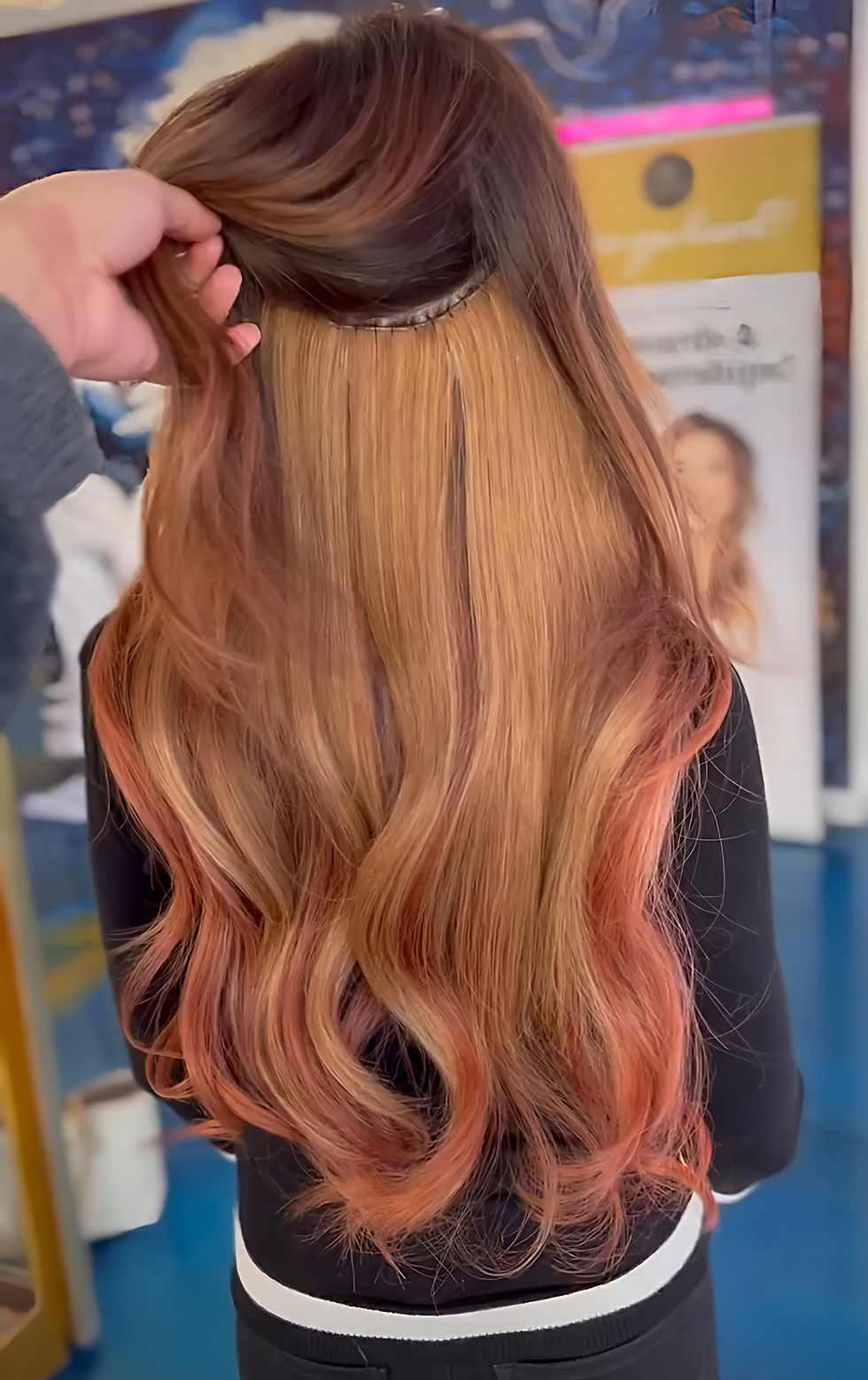
Tape-in extensions typically need repositioning every 6-8 weeks. As your natural hair grows, the adhesive tabs move down the hair shaft and away from the scalp, which affects both the appearance of the install and the distribution of weight. At a repositioning appointment, the stylist removes the tabs, conditions the natural hair underneath, and reapplies the wefts closer to the root. This is also a good time to assess whether the bonds are still in good shape or whether replacement hair is needed.
Sew-in weaves are generally worn for six to eight weeks before a full removal and reinstall or a touch-up visit. The natural hair underneath needs to be cleansed regularly throughout the wear period, not just at the takedown appointment. A maintenance wash focused on the scalp, done carefully to avoid disturbing the braids and wefts, keeps the scalp healthy and prevents the kind of buildup that leads to irritation or damage.
Micro-link or bead extensions are typically tightened every two to three months as the natural hair grows and the beads slide down the shaft. This is one of the lower-frequency maintenance schedules among extension methods, which appeals to clients who want fewer salon visits built into their routine. The tightening appointment is relatively quick compared to a full reinstall.
Fusion or keratin bond extensions need a complete removal and installation of new hair every 4-6 months.
Choosing a Salon for Ongoing Maintenance in Dallas
Not every salon that can install extensions is equally good at maintaining them. This is a distinction that gets overlooked when clients are focused on finding someone for the initial install. Maintenance appointments require a stylist who is patient, attentive to the condition of your natural hair at each visit, and willing to make honest calls about when the hair needs a rest.
Look for a stylist who schedules maintenance appointments with enough time to do the work properly. Rushed touch-up visits where the stylist is moving too fast to check on your scalp health or the condition of the bonds are not doing you any favors, even if the install looks fine when you leave.
Consistency matters a lot with extensions. Working with the same stylist for both the install and all maintenance visits means they have a running understanding of how your hair behaves, how quickly it grows, and what your specific scalp tends to need. Starting over with a new stylist at every appointment means starting from scratch with that knowledge each time, and it shows in the results.
In Dallas, the best extension maintenance experiences tend to come from stylists who treat the ongoing relationship with a client as seriously as they treat the first appointment. That is the mindset that produces healthy hair over time rather than just a good-looking install on day one.
Building a Real Budget for Extension Maintenance
The installation cost is only the beginning. A realistic hair extension budget should account for the full cycle of wear, including maintenance appointments, occasional hair replacement, and the products needed to care for extensions at home.
Different extension methods require different maintenance schedules. Sew-in or weft extensions typically require a move-up or reinstall every six to eight weeks as the natural hair grows. During these appointments, the rows are removed and repositioned closer to the scalp. High-quality hair can often be reused for multiple installs if it is cared for properly, which significantly reduces the long-term cost of wearing extensions.
Individual extension methods such as keratin bonds or micro-links generally stay in the hair longer before needing adjustment. These installations are designed to move naturally with the hair and are typically worn for several months before removal or repositioning. However, the initial installation investment is higher, and replacement hair will eventually be needed depending on wear and overall hair quality.
Tape-in extensions require more frequent repositioning because the adhesive bonds grow out with the natural hair and can weaken over time. Most clients need maintenance every 6-8 weeks to keep the extensions comfortable and properly concealed.
Beyond salon services, the products you use at home play a major role in how long your extensions last. Sulfate-free shampoos, lightweight conditioners, detangling brushes, and silk or satin sleep accessories are commonly recommended. These items help prevent tangling, protect the bonds or rows, and preserve the quality of the extension hair.
A simple way to estimate the annual cost of wearing extensions is to consider the initial installation, add the cost of maintenance appointments throughout the year, factor in replacement hair when necessary, and include the products used for at-home care. When all of these elements are considered together, the true cost of maintaining extensions becomes clearer. While the total investment is often higher than many clients initially expect, planning for the full maintenance cycle ensures your extensions continue to look natural, healthy, and long-lasting.
Small Habits That Reduce Maintenance Costs Over Time
How you treat your extensions between salon visits has a direct impact on how often you need to go back. Clients who are diligent about their at-home routine consistently get more life out of their installs than those who are not, regardless of the quality of the hair or the skill of the install.
Sleeping with a satin or silk bonnet or on a silk pillowcase reduces overnight friction significantly. Friction is one of the primary causes of tangling and matting in extensions, especially for tape-ins and sew-ins, where weft edges can rub against cotton fabrics throughout the night.
Detangling gently from the ends upward rather than from the root down protects both the extensions and the natural hair underneath. Using a wide-tooth comb or a brush specifically designed for extensions reduces the mechanical stress of detangling.
Keeping the scalp clean without over-washing is a balance worth finding for your specific hair type and lifestyle. Too little washing leads to buildup that damages the scalp and affects the bonds. Too much washing, especially with the wrong products, breaks down adhesive methods faster and dries out the extension hair.
Avoiding heavy oils or silicone-based products near the root area is especially important for tape-in clients since these products directly affect the adhesive bonds.
Dallas Salons and What to Expect From the Maintenance Experience
Salons across Dallas approach maintenance appointments differently. Some build it into a broader service structure where every visit includes a scalp assessment and a check on the overall health of the install. Others treat it as a transactional touch-up with minimal conversation. The difference in outcome between those two approaches is significant over the long run.
Asking a potential stylist how they handle maintenance appointments before you commit to them for an install tells you a lot. A stylist who has a clear, structured approach to ongoing care is one who takes the full health of your hair seriously, not just the immediate result.
David Andreas Hair Salon takes a long-view approach to every extension client in Dallas. The install matters, and so does every appointment after it. Maintenance scheduling, honest conversations about when the hair needs a break, and consistent attention to scalp health throughout the wear cycle are all part of how great results get built over time and not just achieved once and hoped for.


Comments