

The Pros and Cons of Temporary vs Semi-Permanent Extensions
- Rishi Priya
- May 24
- 3 min read


Hair extensions offer a simple way to add length, volume, and versatility to your look. However, choosing between temporary and semi-permanent extensions can feel overwhelming if you are unsure which option fits your lifestyle.
Each type comes with its own advantages and drawbacks. Understanding these differences helps you make a confident, well-informed decision.
What Are Temporary Hair Extensions?
Temporary extensions are meant for short-term use and can be applied and removed at home without professional assistance. Common options include clip-in and halo extensions.
These extensions are ideal for special occasions or quick style changes without long-term commitment.
Pros of Temporary Extensions
Temporary extensions are popular because they are simple and flexible.
Easy to apply and remove at home
No professional installation required
No long-term commitment
Minimal risk of damage to natural hair
Cost-effective compared to salon-installed options
They work well for people who want to switch styles frequently or enhance their look for events.
Cons of Temporary Extensions
Despite their convenience, temporary extensions have some limitations.
Must be applied daily
May not feel as secure as permanent options
Limited wear time throughout the day
Can require extra effort to blend perfectly
Because of these factors, they may not suit those who want a consistent, everyday style.
What Are Semi-Permanent Hair Extensions?
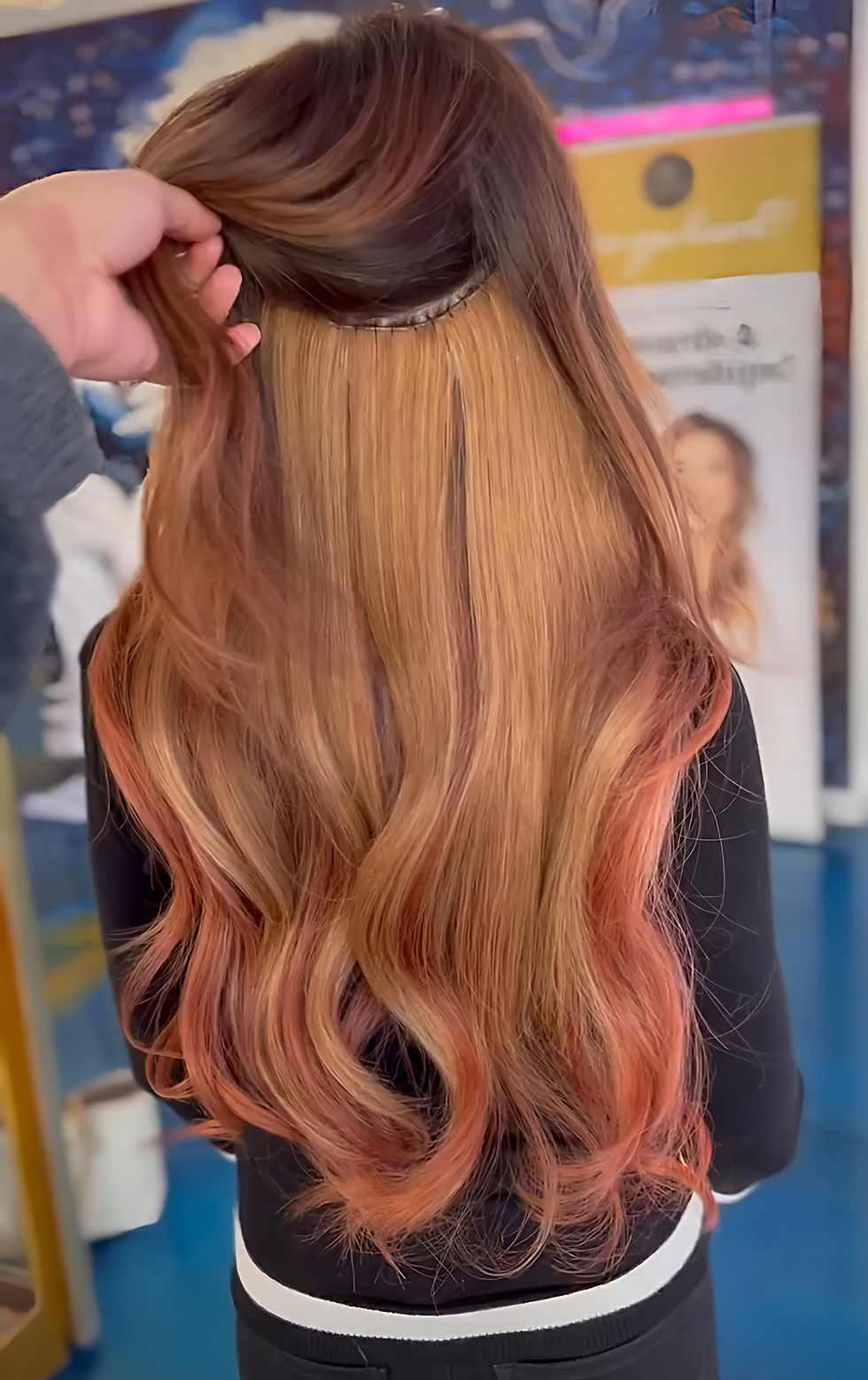
Semi-permanent extensions are installed by a professional and worn for several weeks. Popular methods include tape-in, sew-in, and hand-tied extensions. These extensions stay in place and become part of your regular hair routine until they are adjusted or removed.
Pros of Semi-Permanent Extensions
Semi-permanent options are ideal for long-lasting results.
Provide a natural, seamless appearance
Stay secure for weeks at a time
Reduce daily styling effort
Allow for consistent volume and length
Blend well with natural hair
They are a great choice for clients who want a polished look every day without constant application.
Cons of Semi-Permanent Extensions
While they offer long-term benefits, they also require commitment.
Higher upfront cost
Professional installation is required
Regular maintenance appointments are necessary
Improper care can lead to damage
These extensions work best for those who are ready to follow a consistent care routine.
How to Choose Between Temporary and Semi-Permanent Extensions
The right choice depends on your lifestyle, budget, and styling goals.
Temporary extensions are best if you:
Prefer flexibility and occasional use
Want to avoid salon visits
Like changing styles often
Semi-permanent extensions are better if you:
Want a long-lasting, everyday look
Prefer a natural and consistent finish
Do not mind regular maintenance
By considering your routine and expectations, you can choose the option that fits your needs.
Maintenance Differences to Keep in Mind
Temporary extensions require daily handling, but they are easy to maintain when stored properly. In contrast, semi-permanent extensions need regular care to stay in good condition. For best results:
Use gentle, sulfate-free hair products
Avoid excessive heat styling
Brush carefully to prevent tangling
Follow professional care recommendations
Good maintenance helps both types look their best and last longer.
Conclusion
Both temporary and semi-permanent hair extensions offer unique advantages. Temporary options provide flexibility and ease, while semi-permanent extensions deliver long-lasting, natural-looking results.
If you are unsure which option suits you best, David Andreas Hair Salon offers expert guidance and personalized extension services. Their team helps clients choose the right solution based on lifestyle, hair type, and desired results, ensuring a seamless and confident transformation.


Comments